
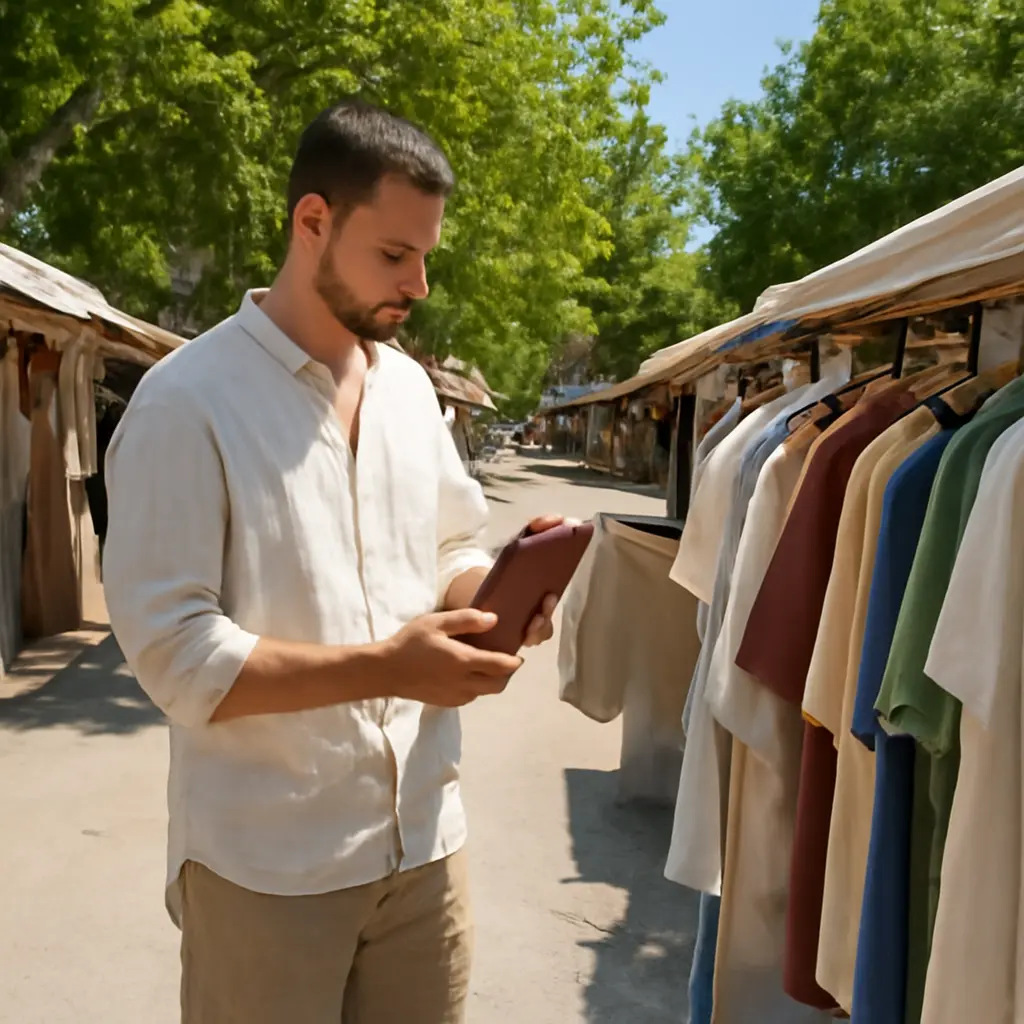
Summer fabrics are materials whose fiber, weave, and finish help clothing feel more comfortable in warm weather. The best choices are not simply the thinnest ones: breathability, moisture movement, drying time, fit, and sun coverage all matter. Cotton, linen, and hemp are natural options; lightweight merino and technical fabrics can also work well when their construction suits the activity. The U.S. Environmental Protection Agency notes that clothing is one factor in protection from ultraviolet radiation, while textile research shows that fabric performance depends on more than fiber name alone. This guide explains what makes a fabric wearable in heat, compares common choices, and offers practical ways to choose and care for them.
Summer comfort depends on fabric construction and performance
There is no single official definition of “summer fabric.” For practical purposes, it means a textile that helps a wearer manage heat and perspiration without sacrificing comfort or useful coverage. The American Society for Testing and Materials (ASTM International) evaluates textile properties through separate test methods, including air permeability and water-vapor transmission; that reflects an important point: “breathable” is not one measurable trait. Fiber type, yarn, weave or knit, fabric weight, finish, and garment fit all influence how clothing feels.
A loose, airy weave can allow more air movement, while a fabric that moves moisture away from the skin may feel less clammy during activity. A fabric can also be lightweight yet provide limited sun protection. The Skin Cancer Foundation explains that ultraviolet protection varies with factors such as weave, color, and garment coverage. For outdoor wear, a hat, shade, and sunscreen on uncovered skin remain useful parts of sun protection.
Breathability and air permeability
Breathability describes how readily heat and water vapor can pass through a textile; air permeability is a more specific measure of airflow through it. Open weaves and knits often feel breezier than dense constructions, but openness can also mean less coverage and greater transparency. Look for a garment that allows comfortable movement and airflow rather than relying on a fiber label alone.
Moisture management and drying
Moisture management refers to how a fabric absorbs, spreads, or transports perspiration and how quickly it dries. Cotton readily absorbs water, which many people find comfortable in low-sweat situations, but soaked cotton can remain wet and feel heavy. Polyester and purpose-designed performance textiles generally absorb less water and can dry quickly, although their feel varies with yarn, knit, and finish. No material prevents overheating: the CDC advises people to take precautions during extreme heat, including limiting strenuous activity and drinking water.
Weight, fit, and sun coverage
Fabric weight and garment fit affect comfort together. A loose garment can create room for airflow, while a close fit may be useful for activewear designed to move sweat. Thin, pale fabric may feel cool in the sun but can offer less UV protection than a tightly woven or specially rated garment. The Skin Cancer Foundation recommends considering UPF-rated clothing for reliable protection; UPF is a garment rating, not a guarantee that every lightweight summer textile blocks the same amount of UV.
Natural summer fabrics offer different kinds of comfort
Natural fibers are not interchangeable. Their surface feel, absorbency, drape, and care needs differ, and the weave can change performance substantially. Choosing among them is easier when the intended use is clear: a breezy shirt for a dry afternoon has different needs from a top worn during a humid commute.
Linen: airy texture for hot, dry days
Linen is made from flax fibers and is commonly woven into fabrics that feel crisp and allow airflow. Its characteristic texture and tendency to wrinkle are part of its appeal for relaxed summer clothing, though some people prefer a linen blend for a smoother appearance. Linen shirts, trousers, and dresses work especially well when cut loosely. In humid conditions or during heavy exercise, however, the garment’s weave and fit matter as much as the fiber itself.
Cotton: soft and versatile, but not always quick-drying
Cotton is a soft, absorbent natural fiber used in everything from poplin shirts to jersey tees and voile dresses. A lightweight cotton with an open construction can be comfortable for everyday wear, while thick denim or dense cotton fleece can trap more heat. Because cotton can retain perspiration, it is often better for casual, lower-sweat settings than for prolonged exercise in hot weather. A loose cotton shirt also provides more coverage than a tiny, tight top, which may be useful outdoors.
Hemp and lightweight wool: useful alternatives
Hemp textiles can have a linen-like feel and are often blended with cotton or other fibers to adjust softness and drape. Lightweight merino wool may also suit warm-weather use: wool can absorb moisture vapor and help regulate comfort, but a heavier knit may still feel too warm. Check the fabric weight, knit, and care instructions rather than assuming that all wool is winter-only or that every hemp garment is automatically cool.
Technical and blended fabrics suit active summer wear
For sports, travel, and high-sweat days, engineered textiles can be more practical than absorbent everyday cloth. A 2022 review in the journal Polymers describes moisture-management performance as a result of textile structure and material characteristics, including how liquid moves through a fabric. The takeaway for shoppers is to judge the whole garment—fiber, knit, finish, and construction—rather than treating “moisture-wicking” as a universal guarantee.
Polyester and nylon performance knits
Polyester and nylon are common in running shirts, hiking layers, swimwear, and active dresses because they can be made lightweight and quick-drying. Mesh panels and textured knits can improve airflow, while a smooth, tightly fitted fabric may feel less breezy. These synthetics can also retain odor for some wearers and may release microfibers during laundering, so wash garments only when needed, follow care labels, and consider a laundry filter or washing bag designed to reduce fiber shedding.
Blends balance feel, durability, and care
Blended fabrics combine fibers to balance properties—for example, linen with cotton for a softer hand or cotton with polyester for easier drying and reduced wrinkling. The result depends on the proportion and construction, so a blend label alone cannot predict comfort. If possible, feel the fabric, hold it up to the light to assess openness and coverage, and check whether the garment is comfortable when moving rather than only while standing still.
UPF clothing for extended sun exposure
UPF, or ultraviolet protection factor, rates how much ultraviolet radiation a fabric allows through under specified test conditions. It is particularly relevant for long periods outdoors, when a standard thin shirt may not provide dependable coverage. Seek a stated UPF rating from the manufacturer, and remember that fit, wear, stretching, and wetness can affect coverage. Clothing should complement—not replace—shade, sunglasses, and sunscreen on exposed skin.
Choose summer fabrics by climate and activity
The most comfortable choice depends on where and how a garment will be worn. Heat risk is not hypothetical: the U.S. National Oceanic and Atmospheric Administration reports that 2023 was the warmest year in its global temperature record at that time, and the World Meteorological Organization likewise identified 2023 as the warmest year in the long-term observational record. Those global figures do not predict how an individual outfit will feel, but they underline why practical heat and sun precautions matter.
- Hot and dry: Try loose linen, lightweight cotton, or a breathable woven garment. Use coverage and shade when the sun is strong.
- Hot and humid: Consider lightweight fabrics that do not stay saturated, such as a suitable performance knit or a loose, thin woven blend. Prioritize airflow and change out of wet clothing when practical.
- Exercise and travel: Look for quick-drying construction, comfortable seams, and a fit that supports movement. Pack a spare top if you expect sustained sweating.
- Long outdoor exposure: Choose a garment with a stated UPF rating or dependable coverage, and combine it with other sun-protection measures.
- Everyday wear: Lightweight cotton, linen, and blends can all work; choose based on comfort, laundry needs, and how much wrinkling you are willing to accept.
A simple comparison chart can help: rate each garment from one to five for airflow, drying speed, coverage, and care effort. The scores are personal rather than laboratory results, but they make trade-offs visible—for example, linen may score well for breeziness while a performance knit may win on drying speed.
Care extends comfort and garment life
Good care keeps summer clothing comfortable and helps it last. Follow the care label, avoid excessive heat when drying delicate fibers or elastane blends, and allow garments to dry fully before storing them. For technical clothing, fabric softener can interfere with some finishes, so follow the manufacturer’s instructions. Repairing a loose seam or replacing a worn elastic can also keep a garment useful for another season.
Sustainability claims require context. The European Environment Agency notes that textiles have environmental impacts across production, use, and disposal; choosing a fabric by fiber alone does not capture the garment’s full footprint. Wearing clothes longer, washing efficiently, buying only what will be used, and choosing durable construction are practical ways to reduce unnecessary replacement.
Conclusion: match the fabric to the day
Summer comfort comes from the combination of breathability, moisture behavior, weight, fit, and sun coverage—not from a single “cooling” fiber. Linen and lightweight cotton are versatile natural choices; hemp and fine merino provide additional options; and polyester, nylon, and blends can be useful when fast drying or active performance matters. Check the garment’s construction and care needs, and choose coverage appropriate to your exposure. Before your next warm-weather purchase, compare how a piece feels, dries, and protects in the setting where you will actually wear it.
Sources: ASTM International, Standard Test Methods for Air Permeability of Textile Fabrics and Water Vapor Transmission of Materials, https://www.astm.org/; Centers for Disease Control and Prevention, Heat and Health, https://www.cdc.gov/heat-health/; European Environment Agency, Textiles and the Environment: The Role of Design in Europe’s Circular Economy, https://www.eea.europa.eu/publications/textiles-and-the-environment-the; NOAA National Centers for Environmental Information, Annual 2023 Global Climate Report, https://www.ncei.noaa.gov/access/monitoring/monthly-report/global/202313; Polymers, “Moisture Management Properties of Textile Materials,” 2022, https://www.mdpi.com/journal/polymers; Skin Cancer Foundation, Sun-Protective Clothing, https://www.skincancer.org/skin-cancer-prevention/sun-protection/sun-protective-clothing/; U.S. Environmental Protection Agency, UV Index Scale, https://www.epa.gov/sunsafety/uv-index-scale-0; World Meteorological Organization, WMO Confirms 2023 Smashes Global Temperature Record, https://wmo.int/news/media-centre/wmo-confirms-2023-smashes-global-temperature-record
